
Grave planting for the fall
In the fall, grave design is often characterized by remembrance and preparation for the cold season. With the change of seasons, robust, hardy plants such as heather, chrysanthemums or purple bells are ideal, as they retain their color and structure even in cooler temperatures. Around All Saints’ Day, many graves are replanted and lovingly decorated.
Fall planting for the grave
Autumn not only marks the beginning of a new season, but also a special phase of remembrance and commemoration. Especially now, when nature is changing its colors and preparing for winter, many relatives wish for a dignified and atmospheric design of the gravesite. In this article, you will find out which autumnal plants are particularly suitable, how to design the grave and what you should pay attention to when caring for the grave.
Why autumnal grave planting makes sense
After planting flowers on graves in the summer, the splendor of many graves begins to fade. Lush summer plants wither, leaves fall, and the overall appearance quickly becomes dreary and unkempt. But fall, too, offers many opportunities to give a grave a sense of character and dignity. Especially around All Saints’ Day (November 1) and Remembrance Sunday ( the last Sunday before the first Sunday of Advent), grave decoration is an integral part of remembrance for many family members. Beautiful fall plantings bring warmth and vibrancy to this often-gray season. In addition to classics like heather and chrysanthemums, many other plant species are well-suited for modern fall grave arrangements. Many typical fall plants are frost-hardy and long-lasting, so they look beautiful well into winter with minimal effort. By choosing the right plants, you can create an attractive grave arrangement with little effort that will last well into the cold season.
…from as little as €50 per year.
- Removal of faded summer plants and basic care
- Planting frost-resistant fall flowers
- Decorative design with natural materials
- Regular cleaning and maintenance of the grave
- Cleaning the headstone and border
- Grave arrangements and bowls for memorial days
- Advice on hardy permanent planting
The cost of autumn planting depends on the size, planting requirements and frequency of care. Simple seasonal plantings or elaborate, multi-part arrangements with decorative accents are possible. Regular grave maintenance in the fall can be carried out weekly, fortnightly, monthly or every six weeks.
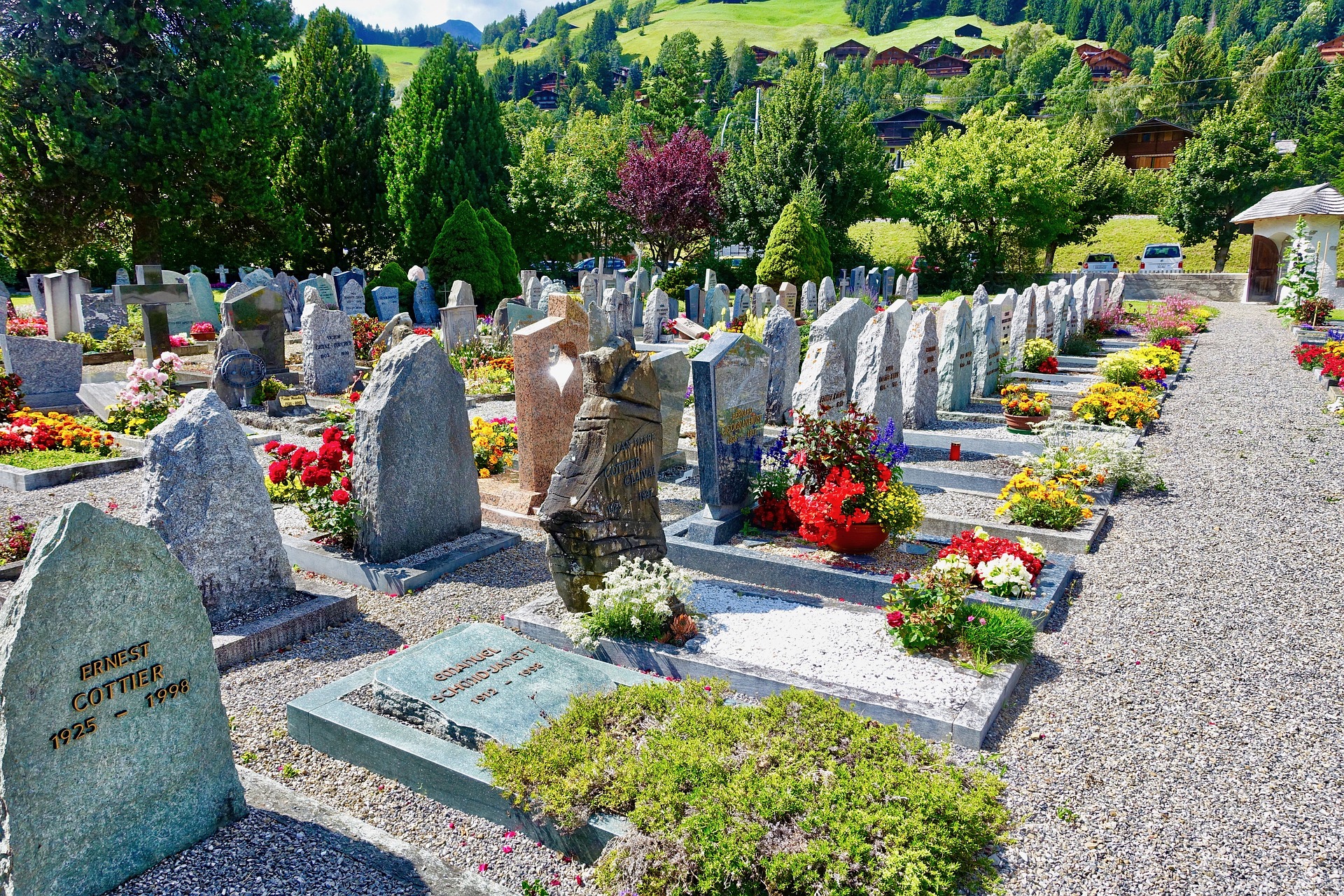
When should a grave be planted in the fall?
The ideal period for autumnal grave planting is usually between the end of September and mid-October. During these weeks, the temperatures are usually still mild and the soil is warm enough for new plants to grow well. At the same time, the main flowering period for summer plants is over and it is a good time to remove faded or faded planting and replace it with robust fall plants.
Another advantage of this time is that although the days are shorter, they are still bright enough for freshly planted plants to get enough light. The weather is also usually favorable at this time, as neither heavy rain nor the first frost are expected. This makes planting easier and gives the plants good starting conditions.
If you start planning in September, you also have a larger selection in the garden center or at the cemetery nursery. Especially popular plants such as bud heather, chrysanthemums or ornamental cabbage often sell out quickly when the rush around All Saints’ Day increases.
Tip: If you plant for fall early enough, you’ll not only enjoy the fresh new look for longer, but you’ll also give the plants the best chance to survive the cold season. If you want the grave site to look well-maintained throughout all seasons, a perennial grave planting be a sensible solution.
The best plants for grave planting in the fall
Especially in the fall, graves deserve a dignified and atmospheric design. The selection of suitable plants is the be-all and end-all. They should not only be visually appealing, but also withstand the typical weather conditions. Autumn plants for the grave should:
- be weatherproof,
- stay low-maintenance
- and have a naturally decorative effect.
Here you will find a selection of tried and tested classics for autumnal grave planting:

Heather or heather
Heather is one of the absolute classics of autumn planting. The Calluna vulgaris (summer heather) and Erica carnea (snow heather) varieties add an atmospheric splash of color to the resting place with their delicate flowers in pink, purple or white. Both species are hardy, easy to care for and make for an attractive grave design even in cool weather.
Chrysanthemums
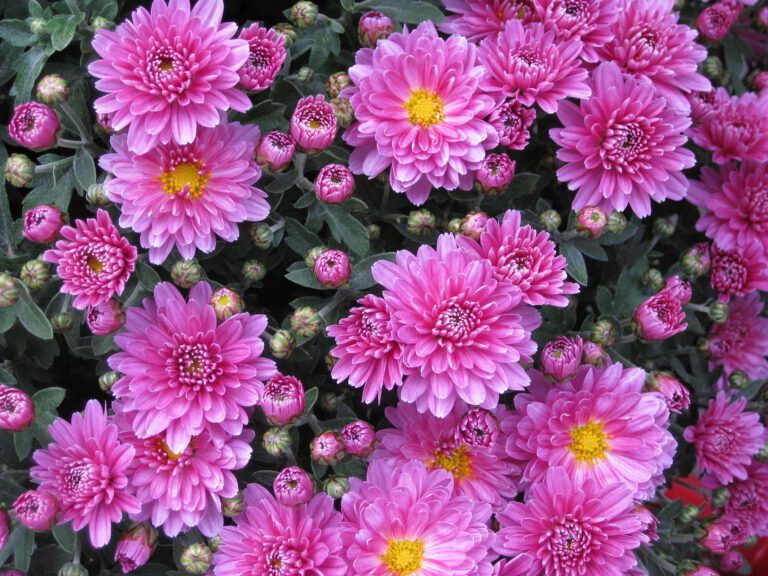
With their lush, spherical flowers in yellow, orange, red or white, chrysanthemums bring a lot of color to the autumnal grave. Depending on the variety, they bloom well into late fall and are effective both individually and in combination with other autumn plants. They are a symbol of remembrance and immortality and are particularly popular around All Saints’ Day.
Silverleaf (Senecio cineraria)
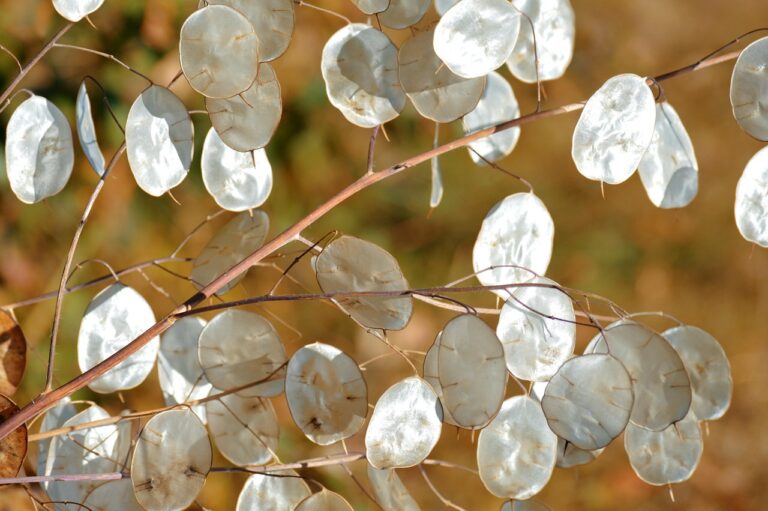
With its silvery-grey, velvety leaves, the silver leaf offers a beautiful contrast to strong flower colors such as purple or orange. It adds structure to the planting and looks particularly elegant in combination with heather or chrysanthemums. The plant is robust, drought-resistant and can easily withstand cooler temperatures.
Ivy (Hedera helix)
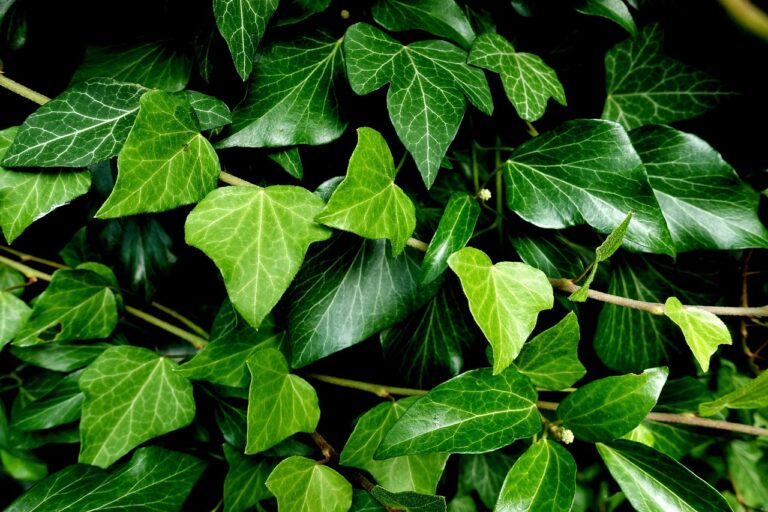
The evergreen ivy is a tried and tested ground cover that is ideal for planting over large areas or edging a grave. It also thrives in shady locations, is extremely easy to care for and reliably suppresses the growth of weeds. Thanks to its uniform, dense foliage, it gives the autumnal grave a permanently neat appearance.
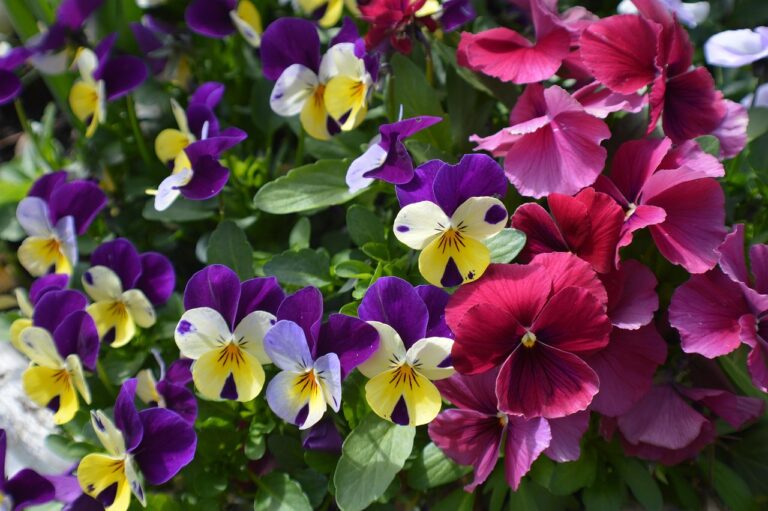
Horned violet (Viola cornuta)
Horned violets are small but extremely robust plants that create lively accents on the grave with their intense flower colors in purple, blue, yellow or white. Due to their high cold tolerance, they are ideal for autumnal grave planting and can even withstand the first night frosts without any problems. Their compact growth makes them ideal for flat plantings or as a colorful addition between evergreen plants.
Purple bellflower (Heuchera)
The purple bell is particularly impressive with its decorative leaves, which shimmer in autumnal tones such as copper, red, bronze or purple. The plant is hardy, easy to care for and suitable for both sunny and semi-shady locations. Heuchera varieties look particularly beautiful in combination with bright contrasting plants such as silver leaf or white heather.

Design ideas for autumnal grave planting
A lovingly designed grave planting in the fall is not only a sign of remembrance, but also an aesthetic eye-catcher in the cemetery. With the right plants and decorative elements, you can create a dignified and atmospheric grave design.
Symmetrical fall planting
Symmetrical autumn planting on the grave conveys peace, order and stability. An even arrangement of plants, for example along a mirror axis or with a central eye-catcher, creates a neat and harmonious overall picture. Robust autumn bloomers such as chrysanthemums, heather (calluna) or pansies, combined with evergreen elements such as boxwood or ivy, are particularly suitable.
Design idea: Plant a small box or heather plant (Calluna) in the center of the grave as a central eye-catcher. Two equally sized groups of white and purple chrysanthemums are planted to the right and left of it. You can surround the edge with ground-covering ivy or small pansies.


Natural fall planting
The natural autumn planting on the grave looks lively, gentle and in keeping with the course of the year. Loosely arranged plant combinations are based on natural vegetation and look like part of the autumn landscape. Asters, grasses, stonecrop or small heather plants are deliberately placed irregularly to create a natural, gently flowing picture.
Design idea: Go for a wild and romantic arrangement of different heights and structures. Combine ornamental cabbage, heuchera and lamp cleaner grass in loose groupings. Individual asters or heather plants add colorful accents. The natural arrangement makes the grave look like part of the autumnal surroundings.
Autumnal grave decoration
In addition to planting, autumnal grave decorations help to make the resting place personal and loving. Especially in the fall, nature offers a variety of decorative materials that can be perfectly integrated into the design concept:
- Grave candles or LED lanterns with warm light
- Small memorial stones, angels or figures
- Natural decor such as autumn leaves, moss, chestnuts, pine cones or decorative pumpkins
- Home-made arrangements made from twigs, berries and dried flowers
When making your choice, make sure to use weatherproof materials so that rain and wind cannot harm the decorative elements.
Care tips for grave planting in the fall
Even though many fall plants are easy to care for, they do need some attention:
- Don’t forget to water: There can also be dry periods in the fall. Freshly planted plants in particular still need regular water to ensure they grow well.
- Remove fallen leaves regularly: Fallen leaves should be removed at regular intervals as they accumulate moisture and can promote rotting or fungal infestation.
- Cut off faded flowers: Removing wilted flowers and plant parts not only ensures a neat appearance, but also stimulates re-flowering in some species (such as chrysanthemums).
- Loosen the soil: It is worth occasionally loosening the surface carefully with a small rake, especially in dense soil. This improves aeration of the roots and makes it easier for water to penetrate.
- Apply frost protection in good time: As soon as the nights get colder, you should cover more sensitive plants, such as young heather or freshly planted perennials, with brushwood, leaves, fleece or a light frost protection fleece.
If you’re unsure about maintenance and planting, you can entrust the design of the grave—either entirely or in part—to professionals, for example, as part of ongoing grave maintenance or one-time grave maintenance. Please feel free to contact us; we’ll connect you with experienced cemetery gardeners in your area.
Do you have further questions about grave planting for the fall?
Here you will find the answers to the most relevant questions about fall planting.
Which plants are suitable for grave planting in the fall?
Robust and weather-resistant plants such as heather, chrysanthemums, cyclamen, silver leaf, barbed wire plants, horned violets or ornamental grasses are suitable for grave planting in the fall. They add color to the grave and also withstand cooler temperatures well.
When should a grave be planted in the fall?
Ideally, plants should be planted in the fall from September until before the first frost at the latest. This gives the plants enough time to grow and get used to the weather. Many relatives opt for a new, well-tended grave design, especially before All Saints’ Day and the Sunday of the Dead.
How do I keep my grave plantings beautiful for a long time in the fall?
To keep the autumn planting looking neat and tidy for as long as possible, wilted flowers, leaves and weeds should be removed regularly. It is also important to water the plants as needed, especially during dry periods in the fall. A suitable selection of plants will also ensure that the grave remains attractive even in cool weather.
Which colors go well with autumnal grave design?
Warm, calm colors such as red, orange, violet, yellow, bordeaux or cream are suitable for autumnal grave planting. Silvery ornamental foliage plants and evergreen elements can also be combined well. This creates a dignified, seasonal design that matches the calm atmosphere of autumn.
Can you combine fall planting with grave arrangements?
Yes, autumn plants can be combined very well with grave arrangements, branches, small wreaths or discreet decorations. It is important that the design remains harmonious and matches the size of the grave. Heather, chrysanthemums and evergreen plants in particular form a beautiful basis for autumnal accents.
When is professional help with grave planting in the fall worthwhile?
Professional support is worthwhile if relatives have little time, live further away or want the grave to be reliably cared for. Grabhelfer takes care of the autumnal grave planting professionally and in keeping with the gravesite. If desired, the planting can also be combined with regular grave care and gravestone cleaning.
You haven’t found an answer to your question? No problem. Just send us an e-mail.


