
Clean gravestone
A gravestone is more than just a memorial – it symbolizes remembrance, love and respect. However, wind, weather, moss, lichen and environmental influences can damage the stone over the years. Regular gravestone cleaning not only maintains the appearance, but also preserves the inscription and protects the material in the long term. Here you can find out how to clean a gravestone professionally, gently and sustainably and when professional support is advisable.
Why should you clean a gravestone regularly?
Gravestones are outdoors all year round. Rain, frost, sun, pollen, soil and plant debris leave their mark. If a gravestone is not cleaned for a long time, dirt can accumulate. Moss and algae form green deposits, limescale or water stains can change the surface, and damp leaves can cause unsightly discoloration.
Regular gravestone cleaning therefore has several advantages: The stone looks well cared for, inscriptions remain legible and the material is protected in the long term. It is also easier to see if there is any minor damage, cracks or loose elements. If you check the grave regularly, you can act early and avoid major consequential damage.
How often should you clean a gravestone?
How often cleaning is necessary depends on the the location and material of the gravestone off. If the grave is under trees, more leaves, resin and bird droppings tend to collect. Moss and algae grow more quickly in shady and damp areas. A sunny location is often less susceptible to green deposits, but dust and pollen can be more visible.
As a rule, thorough cleaning is recommended once or twice a year. Spring and fall are particularly suitable. In spring, traces of winter can be removed. In the fall, the grave can be tidied up again before the cold season. In addition, a short Gravestone maintenance every time you visit the cemetery, for example by removing leaves, wilted flowers or soil.
Preparation: What is needed for gravestone cleaning?
For gentle cleaning No aggressive cleaning agents necessary. On the contrary: overly harsh agents can attack natural stone and cause permanent damage. Simple tools are sufficient for most gravestones.
Suitable are:
- Soft brush or root brush
- Sponge or soft cloth
- Bucket with clear water
- Hand brush
- Wooden or plastic spatula for coarse soiling
- pH-neutral natural stone soap or mild stone cleaner
- Watering can or spray bottle
You should avoid hard wire brushes, abrasive cleaners, acidic cleaners, high-pressure cleaners and aggressive household cleaners. These can roughen the surface, dull polished areas or permanently discolor sensitive types of stone.
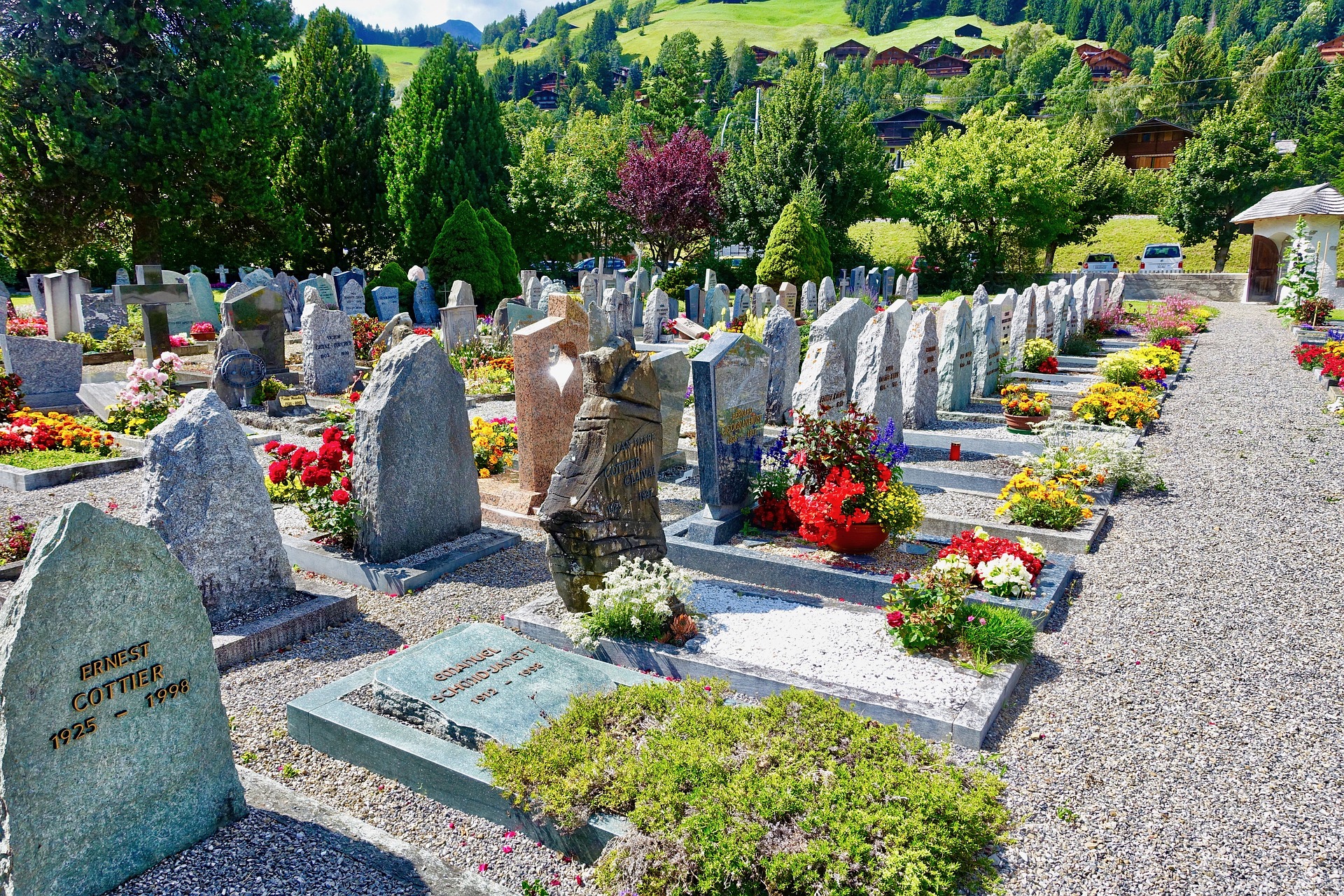
Step-by-step instructions: Clean the gravestone properly
- Remove coarse dirt: First remove any loose dirt. Carefully sweep away leaves, soil, needles and plant debris with a hand brush. Bird droppings or dried leaves can be soaked in a little water and then loosened with a wooden or plastic spatula. Metal tools should be avoided as they can cause scratches.
- Moisten the gravestone with water: Moisten the gravestone thoroughly with clear water. This dissolves dirt and prepares the surface better for cleaning. With natural stone in particular, it is important not to work directly with cleaning agents on a dry surface.
- Clean gently: Use a soft brush or sponge and clean the stone with circular movements. Clear water is often sufficient for light soiling. A pH-neutral natural stone cleaner or a mild natural stone soap can help with heavier stains. It is best to work without strong pressure so that the stone surface is not damaged.
- Carefully clean the inscriptions: The inscription is often particularly sensitive. Gold, silver or colored letters can be damaged by friction or the wrong cleaning agent. Therefore, clean lettering with particular care using a soft cloth or a very soft brush. Avoid abrasive cleaners and strong cleaning movements.
- Rinse thoroughly: After cleaning, the gravestone should be carefully rinsed with clear water. Cleaning agent residues can otherwise form stains or damage the surface. Also take care not to wet surrounding plants unnecessarily with cleaning agents.
- Allow to dry and check again: Allow the gravestone to air dry. Afterwards, you will often be able to see better whether there are still stains or deposits. If necessary, cleaning can be repeated in certain areas. However, stubborn stains should not be removed by force.
Cleaning gravestones according to stone type: what you should bear in mind
Not every gravestone is the same. Proper care depends heavily on the material used:
- Granite is very popular because it is robust, weather-resistant and easy to clean. Polished granite is usually easy to clean with water and a soft cloth. On rough granite, moss and dirt can stick more easily. A soft brush helps here. Acidic cleaners should still be avoided, even if granite is more resistant than other natural stones.
- Marble is much more sensitive. It reacts sensitively to acids, even natural acids such as vinegar or lemon juice. Such household remedies can dull or even etch the surface. Marble should only be treated with clear water and pH-neutral cleaners. Professional help is advisable for stains or severe discoloration.
- Sandstone is open-pored and absorbs moisture and dirt quickly. Sandstone should therefore be cleaned particularly gently. Use little cleaning agent and work with a soft brush and water. High-pressure cleaners are unsuitable for sandstone as they can damage the surface and roughen the stone further.
- Limestone is sensitive to acids. Vinegar cleaners, citric acid and aggressive descaling agents are unsuitable. Only clean limestone with water and mild, pH-neutral agents. Special care should be taken with older gravestones, as the surface may already be affected.
Write us an e-mail.
Send us your request to info@grabhelfer.de.
When is professional help worthwhile?
Not every gravestone can be easily cleaned by yourself. Professional support is useful if severe discoloration are present, the stone is very old or sensitive the inscription appears damaged appears damaged or you are unsure which material is present. A specialist company can also help with deep-seated stains, traces of rust, wax residue or stubborn green deposits. Professional grave care service providers know suitable cleaning methods and know which agents are suitable for which type of stone. This ensures that the gravestone is thoroughly cleaned without risking unnecessary damage. A grave care service can be a great relief, especially for relatives who live further away or have little time. At Grabhelfer, we also help to maintain graves reliably, with dignity and according to the season.
Do you have further questions about gravestone cleaning?
Here you will find the answers to the most relevant questions about cleaning, care and the long-term preservation of gravestones.
How do you remove moss and green deposits from a gravestone?
Moss and green deposits can be removed most gently by first moistening the gravestone thoroughly with water. After a short exposure time, the deposits can be carefully removed with a soft brush or sponge. In the case of stubborn infestation, a pH-neutral green deposit remover suitable for natural stone can be used. It is important to avoid aggressive chemicals, acidic cleaners and hard brushes, as they can damage the surface of the gravestone.
Which household remedies are suitable for cleaning gravestones?
The best and safest way is actually to use plain water. In many cases, it is sufficient to soak the gravestone in water and then clean it carefully with a soft brush or sponge. If the dirt is more stubborn, a mild, pH-neutral soap solution can help. The only important thing is to rinse thoroughly with clean water afterwards so that no residue remains on the stone. You should be careful with classic household remedies – what works well in the home can quickly damage a gravestone. Vinegar, citric acid, salt, scouring milk or harsh all-purpose cleaners are not suitable for natural stone. In particular, sensitive stones such as marble, limestone or sandstone can be stained, dulled or permanently damaged by acidic agents. Baking soda should also not be used without hesitation, especially not on polished surfaces.
Can I use a high-pressure cleaner?
Even if it sounds tempting, a gravestone should not generally be cleaned with a pressure washer. The strong water pressure can cause more damage than meets the eye. It can roughen the surface, wash out joints or damage fine inscriptions. The risk is particularly high with older, porous or softer stones. The problem is that the stone often looks clean immediately after cleaning. In the long term, however, the roughened surface can absorb dirt, moisture, moss and algae more quickly. The gravestone may then become dirty even faster than before.
When should you hire grave helpers?
Grave helpers are particularly useful if relatives have little time, live further away or are unable to regularly take care of the grave themselves. Professional assistance is also recommended for heavily soiled, older or sensitive gravestones. The gravestone is cleaned professionally, gently and reliably. On request, Grabhelfer can also take over regular grave maintenance and ensure that the resting place remains well cared for in the long term. Another advantage: the Costs for professional grave care can be tax-relevant in certain cases, for example in connection with inheritance or succession issues. For income tax purposes, however, ongoing grave care costs are generally not considered a household-related service. Relatives should therefore keep the invoice and, if in doubt, clarify with a tax advisor whether and how grave care tax deductible can be deducted.
You haven’t found an answer to your question? No problem. Just send us an e-mail.


