
Grave dissolution: What happens after the resting period?
What does grave dissolution mean?
Grave dissolution refers to the process by which a grave is cleared and leveled after the specified resting period has expired. This usually happens if the
What does the rest period mean in cemeteries?
The resting period, also known as the lying-in period, is the period during which the mortal remains of a deceased person should remain undisturbed . This period varies depending on the type of burial and the nature of the soil. As a rule, the resting period for urn graves is between
After how many years can a grave be closed?
The question of whether and when a grave may be closed is primarily based on the resting period. Only when this has expired do the relatives have to decide whether they want to
Premature termination is generally not provided for, as the repose of the deceased should be preserved. In special exceptional cases, however, a written application can be submitted and approved
Procedure for grave dissolution
The process of grave dissolution takes place in several stages:
- Notification by the cemetery administration
Initially, the relatives receive a notification from the cemetery administration informing them of the imminent dissolution. This notification is usually sent a few months before the end of the resting period so that there is sufficient time to make decisions. It explains the deadlines and the steps required to dissolve the grave. Relatives should make a note of the deadline and act in good time to avoid possible misunderstandings.
- Clearing the grave
Once the decision has been made to close the grave, it must be cleared. This includes the removal of all items that have been placed on the grave by the next of kin, such as headstones, borders, grave decorations and plantings. Relatives can carry out this work themselves or commission a stonemason or the cemetery administration to clear the grave.
- Leveling the grave
After the grave has been cleared, it is leveled. This is usually carried out by the cemetery staff or a contracted cemetery gardener. The cleared area is filled with fresh soil and then leveled so that it is ready for future burials.
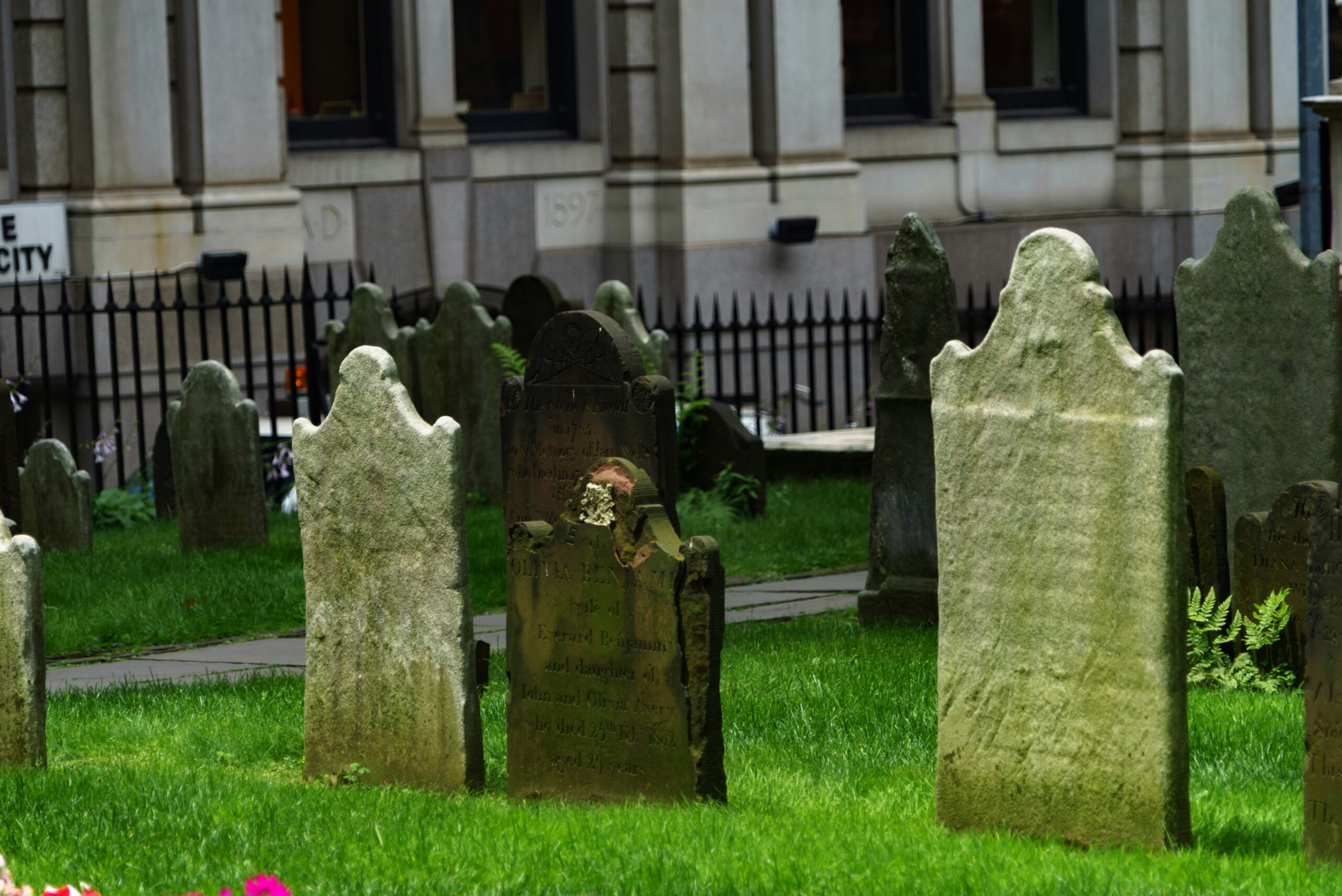
What happens to the gravestone after dissolution?
The gravestone belongs to the next of kin and they decide what to do with it. There are various ways in which the gravestone can be treated after dissolution:
- Disposal: The gravestone can be disposed of when it is no longer needed.
- Reuse: The headstone can be placed on your own property as a memorial.
- Sale or donation: Relatives can sell or donate the gravestone.
Who bears the costs of digging a grave?
The cost of a grave resolution can vary greatly and depends on several factors. The decisive factors are the size of the grave, the type of grave design and the services selected. On average, the costs are between
Write us an e-mail.
Send us your request to info@grabhelfer.de.
The most important tips for grave dissolution
The most important tips for grave dissolution:
- Inform in good time: Find out in good time from the relevant cemetery administration about deadlines, regulations and necessary permits.
- Keep an eye on costs: Get quotes from different service providers and compare services to avoid unexpected costs.
- Secure personal items: Remove grave decorations, plants, figurines or memorabilia that you wish to keep in good time.
- Use professional help: For larger or elaborately designed gravesites, a specialist company can significantly reduce time and effort.
- Have documents ready: Have the user contract and, if applicable, powers of attorney ready to facilitate the process.
- Time to say goodbye: Use the time of dissolution to consciously say goodbye and find a worthy conclusion.
- Check succession arrangements: Clarify whether a reburial of the grave remains in a new grave is desired or necessary before the grave site is finally leveled.
Do you have further questions about grave dissolution?
Here you will find the answers to the most relevant questions about grave dissolution.
What is the earliest date a grave can be opened?
A grave may be closed at the earliest after the contractually agreed resting period – typically 20 to 30 years for burials, 10 to 20 years for urns. Premature closure is possible up to 2 years earlier – but only with a written request and an important reason.
Which types of grave can be extended?
Elective graves (single or family graves) can be extended at will – the resting period begins anew after each extension. Row graves can never be extended.
How long does the grave dissolution take?
The duration of the grave dissolution depends on various factors, but the entire process usually takes a few weeks.
Can I prevent the grave from being dissolved?
As a rule, the dissolution of a grave can only be prevented if the right of use is extended.
What happens to the remains?
If there are still remains after the end of the resting period, these will remain in the ground when the grave is re-occupied.
You haven’t found an answer to your question? No problem. Just send us an e-mail.


