
Year-round grave planting
What is meant by year-round grave planting?
Year-round grave planting means a grave design that remains neat, harmonious and attractive throughout the seasons. It is not about the same plants blooming all year round. Instead, long-lasting basic plants are combined with seasonal plants. The basis is usually formed by a permanent planting of robust, evergreen or ground-covering plants. These provide structure and permanently cover the grave area. In addition, seasonal plants can be used in spring, summer, autumn and winter to bring color and variety to the grave. The result is a grave design that is both beautiful and practical: the grave looks neat all year round without having to be completely replanted.
Why is year-round grave planting a good idea?
Year-round grave planting has many advantages. It ensures that the resting place looks tidy and lovingly designed at any time of year. A low-maintenance and permanent solution is particularly important for relatives who are unable to visit the cemetery regularly.
Good basic planting means that fewer open areas of soil remain visible. This can reduce weed growth and make maintenance easier. At the same time, closed planting protects the soil from drying out, silting up and the effects of the weather.
Year-round grave planting also brings tranquillity and structure to the grave design. Evergreen plants, ground cover and small shrubs create a permanent basic image. Seasonal flowers provide suitable accents and give the grave a fresh, friendly, warm or wintery look, depending on the time of year.
…for a well-tended grave at any time of year.
- Planning suitable permanent and temporary planting
- Selection of robust plants for spring, summer, fall and winter
- Low-maintenance design to suit the location and type of grave
- Removal of wilted plants, leaves and weeds
- Seasonal replanting and decorative accents
- Regular watering, cleaning and maintenance of the gravesite
- Combination with permanent grave care on request
The cost of year-round grave planting depends on the size of the grave, the desired planting and the frequency of care. Low-maintenance permanent plantings, seasonal alternating plantings or individually designed arrangements with decorative accents are possible. Depending on requirements, regular grave maintenance can be carried out weekly, fortnightly, monthly or at longer intervals.
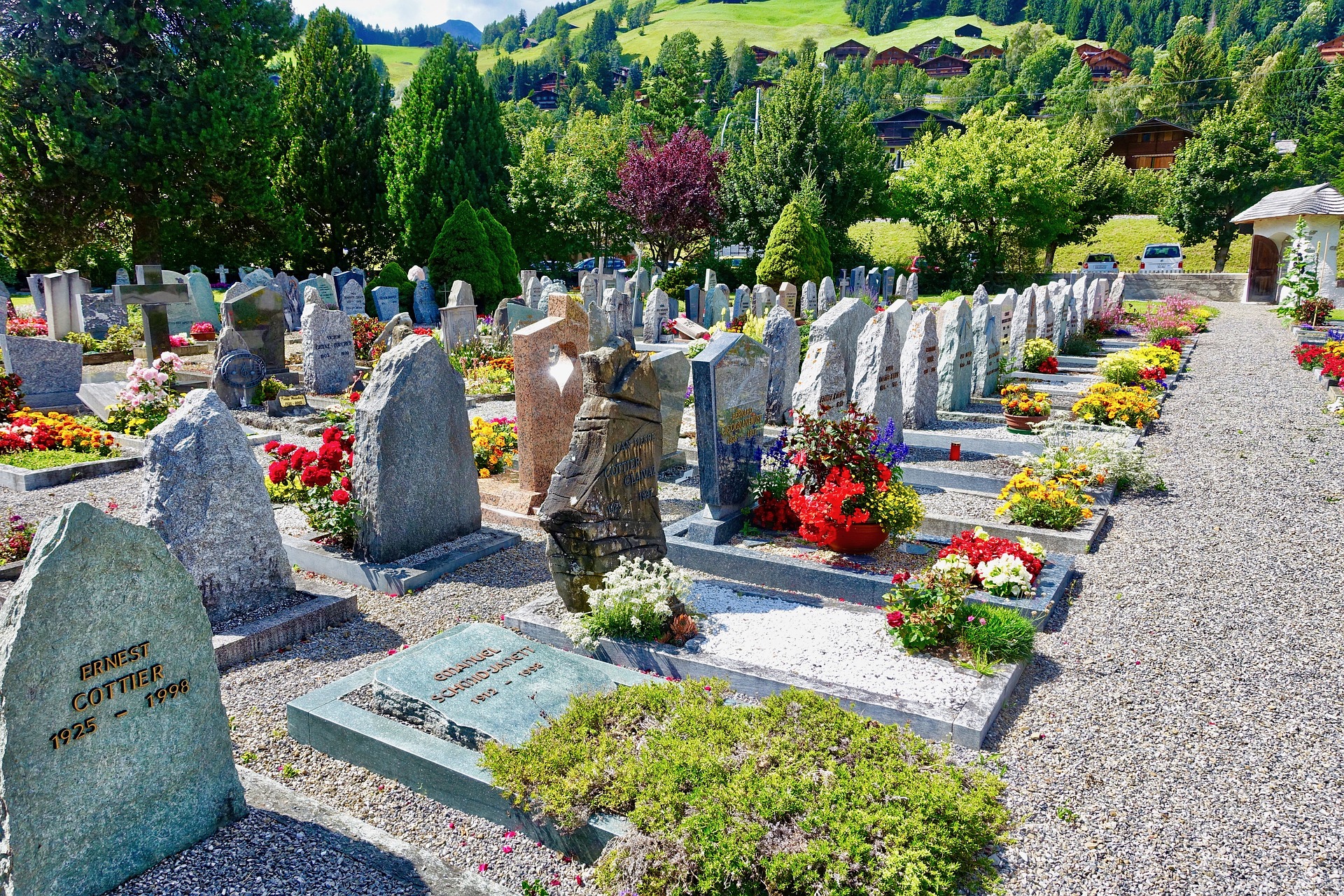
The right planning: consider location, type of grave and maintenance requirements
Before selecting the plants, you should take a close look at the gravesite. The location is a decisive factor in determining which plants are suitable. If the grave is in the sun all day, it needs drought-tolerant species. If it is in the shade, plants that can cope well with little light are required. A grave in partial shade usually offers the widest choice.
The size of the grave also plays an important role. A small urn grave should not be overloaded with too many different plants. A few well-combined species often look best here. A single or double grave offers more space and can be more structured. For example, with a combination of ground cover, small shrubs and an open area for seasonal alternating planting.
The maintenance effort should be assessed realistically. If you can go to the cemetery frequently, you have more freedom when choosing plants. If you are only rarely on site, you should choose particularly robust plants. It is also important to consider whether the plants can be watered regularly. Sunny graves in particular dry out quickly in summer. Plants that tolerate heat and drought better make sense there.
Before planting, you should also check whether the cemetery has any specific requirements. Many cemeteries have rules on grave design, the height of plants or the use of certain materials. A quick look at the cemetery regulations can avoid trouble later on.
Suitable plants for year-round grave planting
The permanent planting forms the basis for year-round grave planting. It remains on the grave for a longer period of time and ensures that the grave area looks permanently well maintained. Ground cover, evergreen plants and small shrubs are particularly suitable. Popular plants for permanent planting include, for example
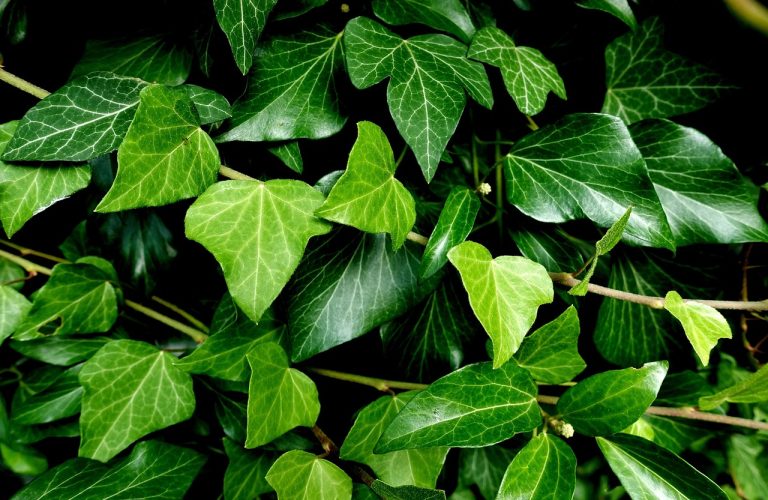
Ivy is a classic ground cover for grave design and is particularly suitable for permanent, low-maintenance planting. The evergreen leaves reliably cover the grave area, have a calming effect and symbolize permanence and loyalty.
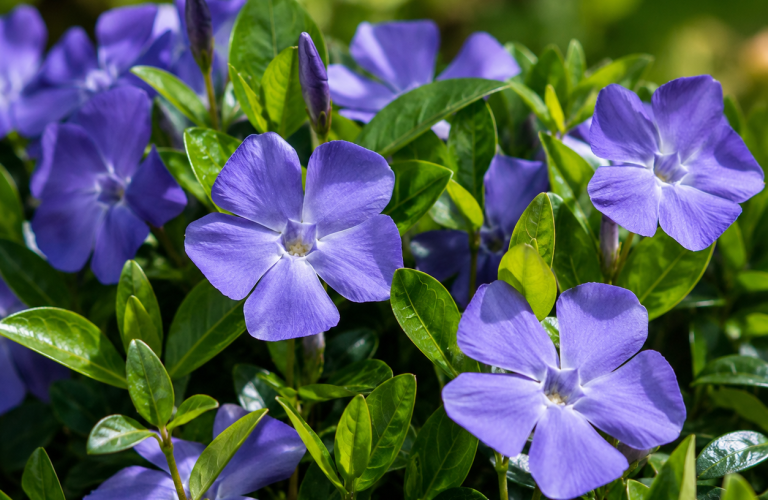
Periwinkle provides a neat, green burial area all year round. The plant is robust, easy to care for and forms dense carpets. In spring, its small blue or purple flowers provide subtle color accents.
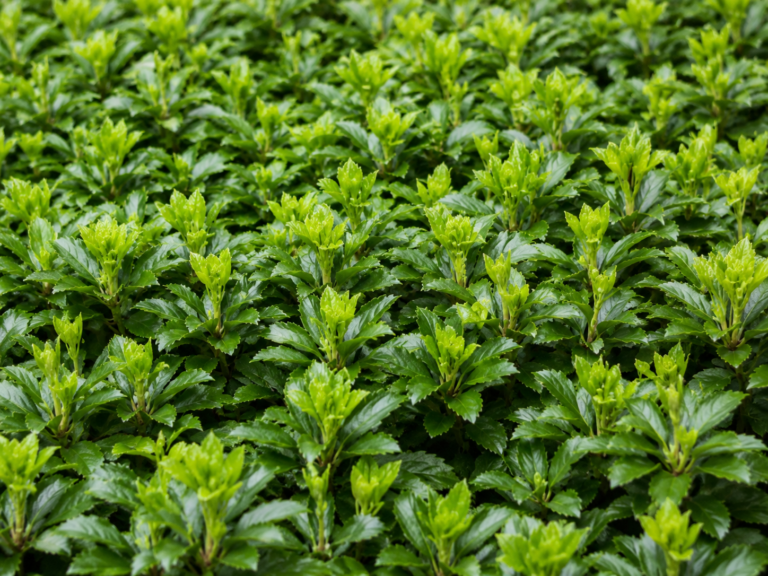
Dickmännchen is particularly suitable for shady or semi-shady grave sites. The evergreen plant grows densely, suppresses weeds and ensures a neat appearance even outside the flowering season.
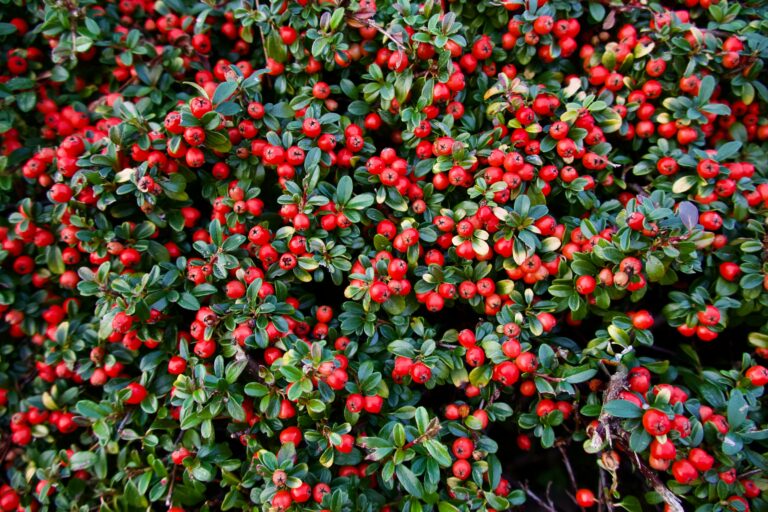
The cotoneaster is a robust and easy-care plant that is well suited as a ground cover or low structural plant. Depending on the season, its small leaves, flowers and red berries add subtle variety to the grave design.
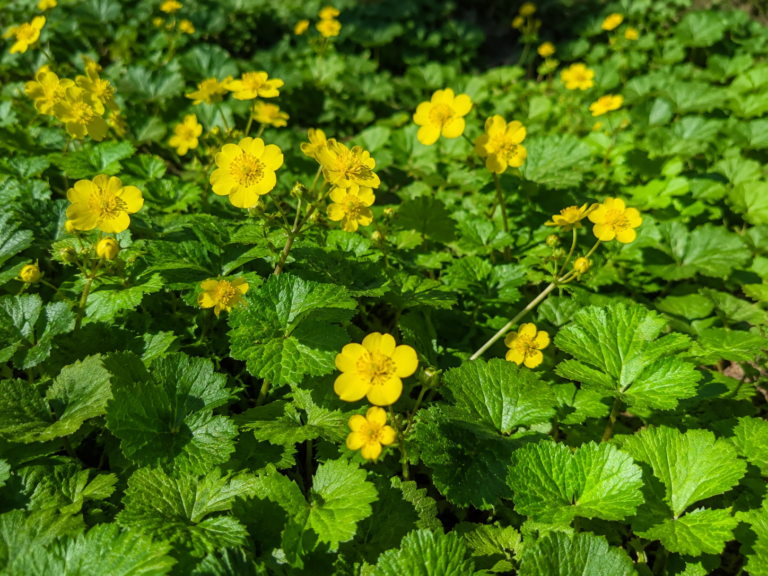
The woodland stonecrop is ideal for semi-shady to shady graves. It forms dense, green carpets and impresses with small yellow flowers in spring. Its reliable growth makes it a good choice for low-maintenance grave sites.
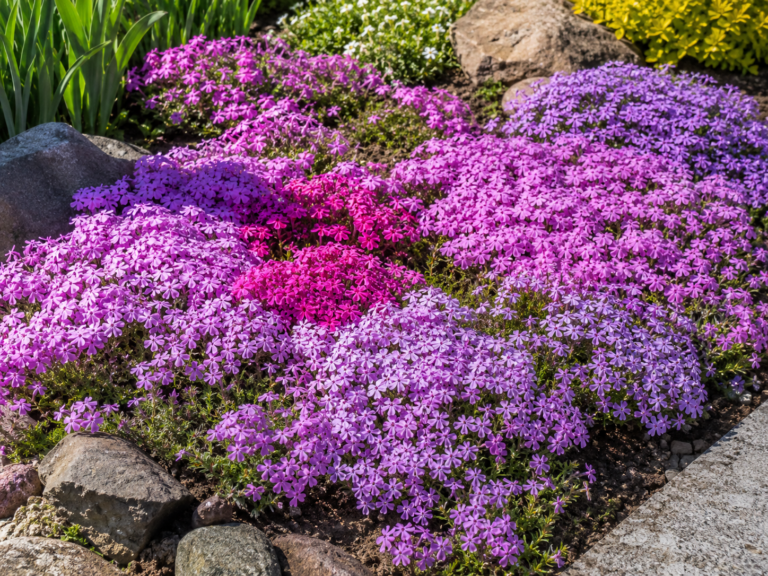
Carpet phlox brings particularly beautiful color accents to the grave in spring. The low-growing plant forms dense cushions and is well suited to sunny to semi-shady locations. After flowering, it remains as a green area.
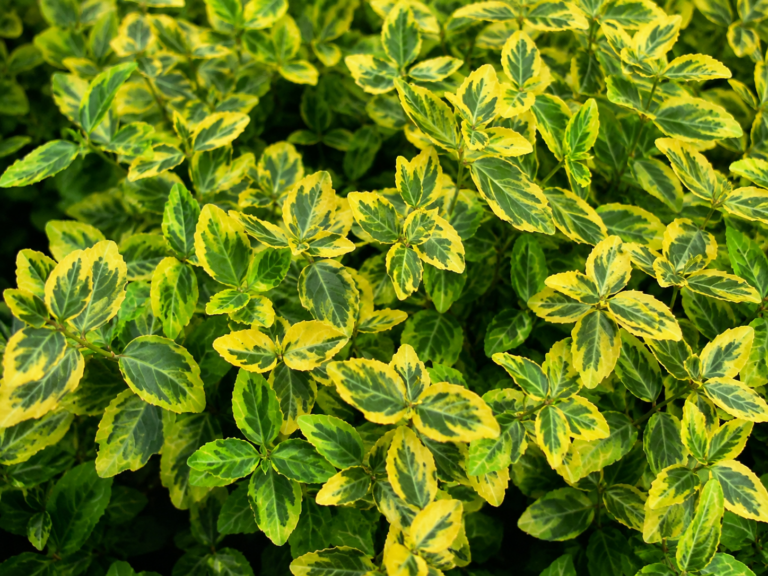
The creeping spindle is versatile and is well suited for year-round grave design. Depending on the variety, it has green, yellowish or white-edged leaves, providing structure and a subtle color effect even without flowers.
Year-round grave planting in spring
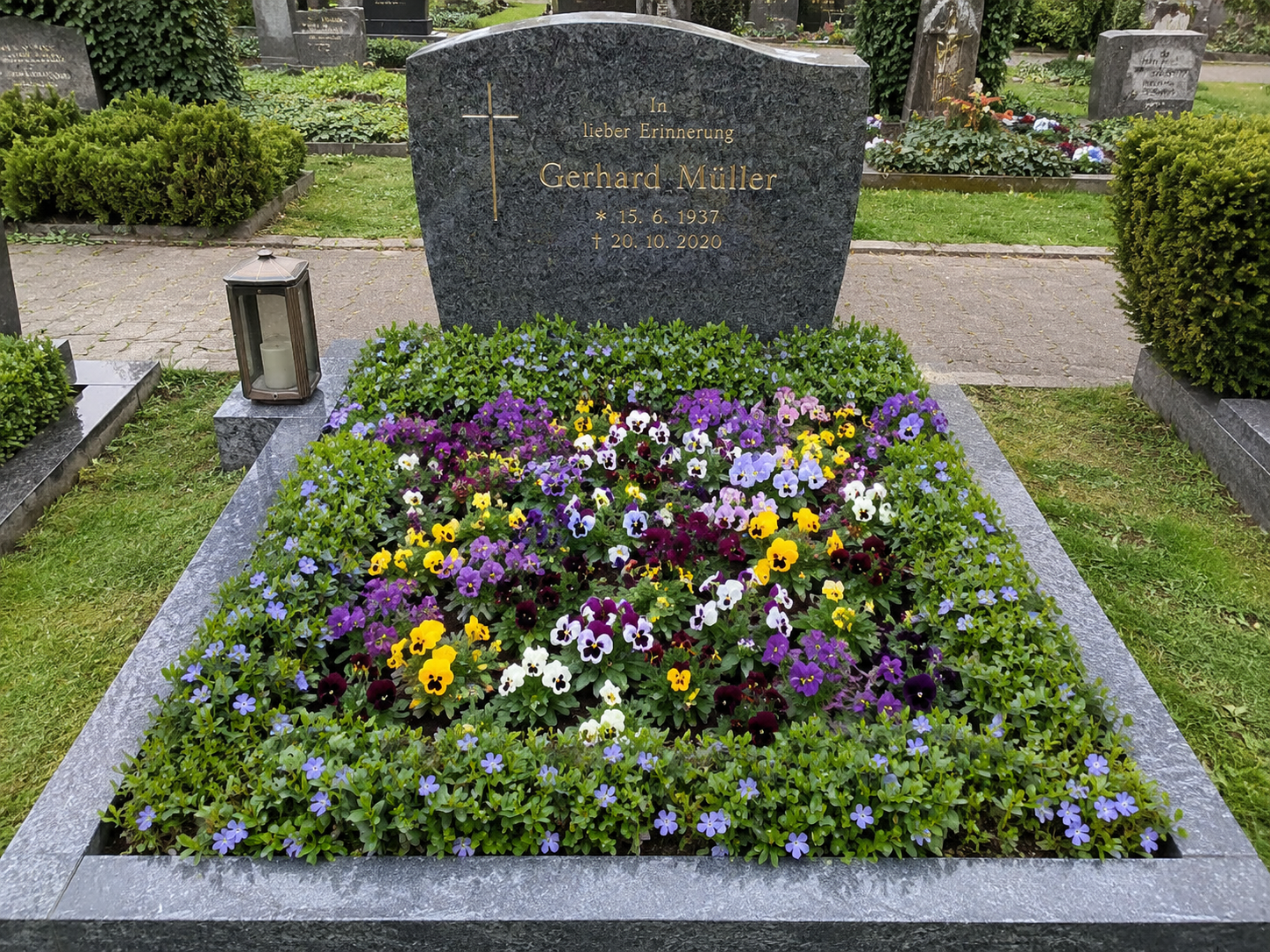
In the spring, the grave site can take on a fresher, more vibrant look. After the winter months, spring-blooming plants bring color to the grave and symbolize new beginnings and hope. Some suitable plants for spring grave planting include:
- Pansies
- Horned violet
- Primroses
- Forget-me-not
- Millipede
- Daffodils
- Tulips
These plants can be combined well with existing permanent planting. Small areas of color that are not too restless look particularly beautiful. After flowering, wilted plant parts should be removed or the spring flowers replaced with summer plants.

Year-round grave planting in summer
In the summer, grave plantings are particularly exposed to sun, heat, and drought. For this reason, you should choose hardy plants that stay beautiful for as long as possible and do not need to be watered every day. Suitable summer plants for graves include, for example:
- Ice begonias
- Geraniums
- Hard-working little lily
- Lavender
- Stonecrop
- Petunias
- Tagetes
- Magic snow
Heat-tolerant plants such as lavender, geraniums or stonecrop are suitable for sunny graves. For shadier graves, begonias or lily-of-the-valley are often the better choice. Closed planting helps to retain moisture in the soil for longer. Nevertheless, they should be watered regularly in summer, especially during long periods of drought.
Year-round grave planting in the fall
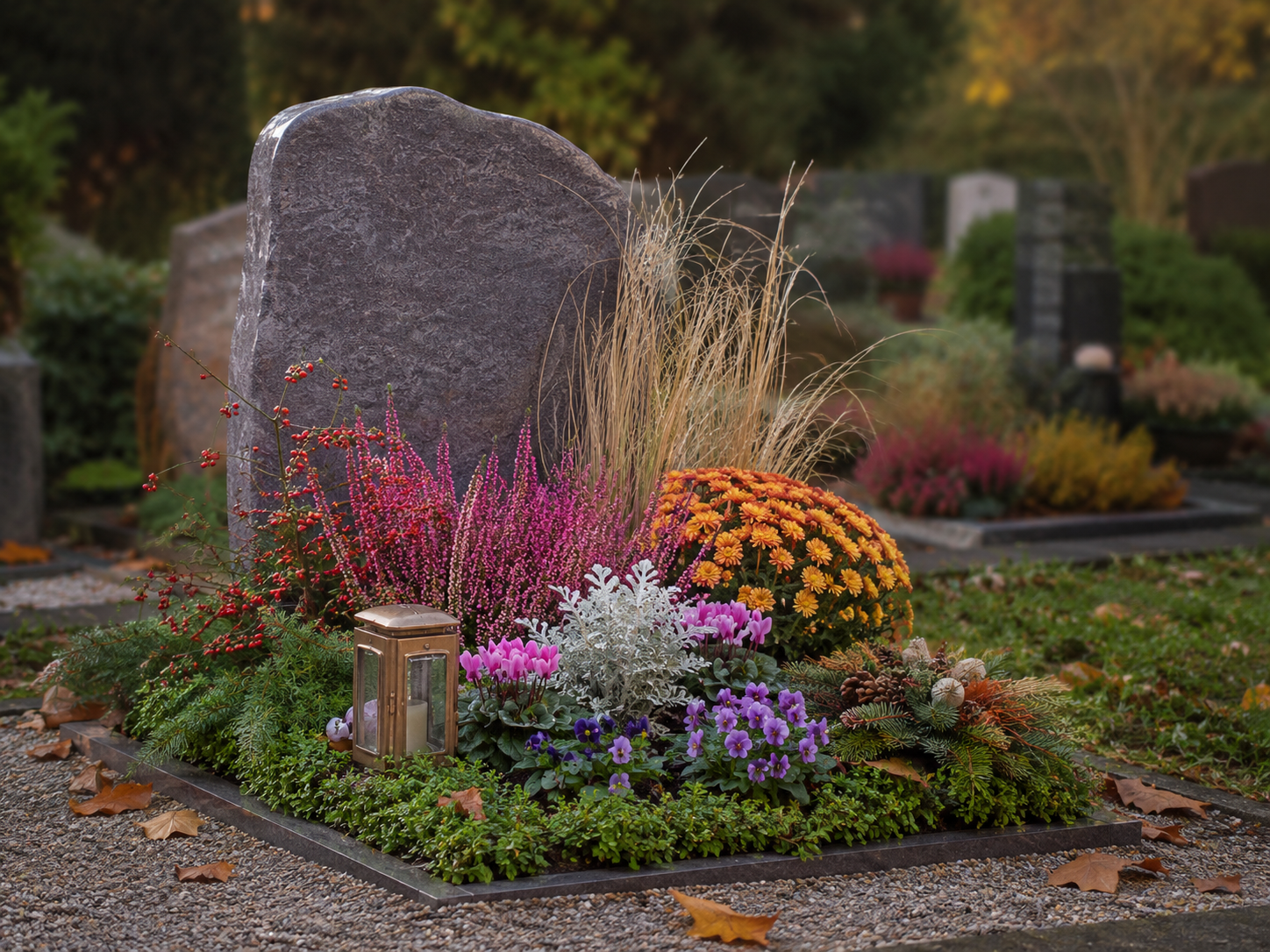
Autumn is an important time for grave design. Many family members want to replant the grave before All Saints’ Day, Sunday of the Dead or winter. The colors become calmer, warmer and more muted. Autumnal grave planting is particularly suitable:
- Heath
- Chrysanthemums
- Cyclamen
- Horned violet
- Silver leaf
- Barbed wire plant
- Ornamental grasses
- Mock berry
Autumn plants are usually more resistant to cooler temperatures and changeable weather. In combination with evergreen ground cover plants, a harmonious overall picture is created. Small flower arrangements, twigs or subtle decorations can also complement the autumnal design.
Year-round grave planting in winter
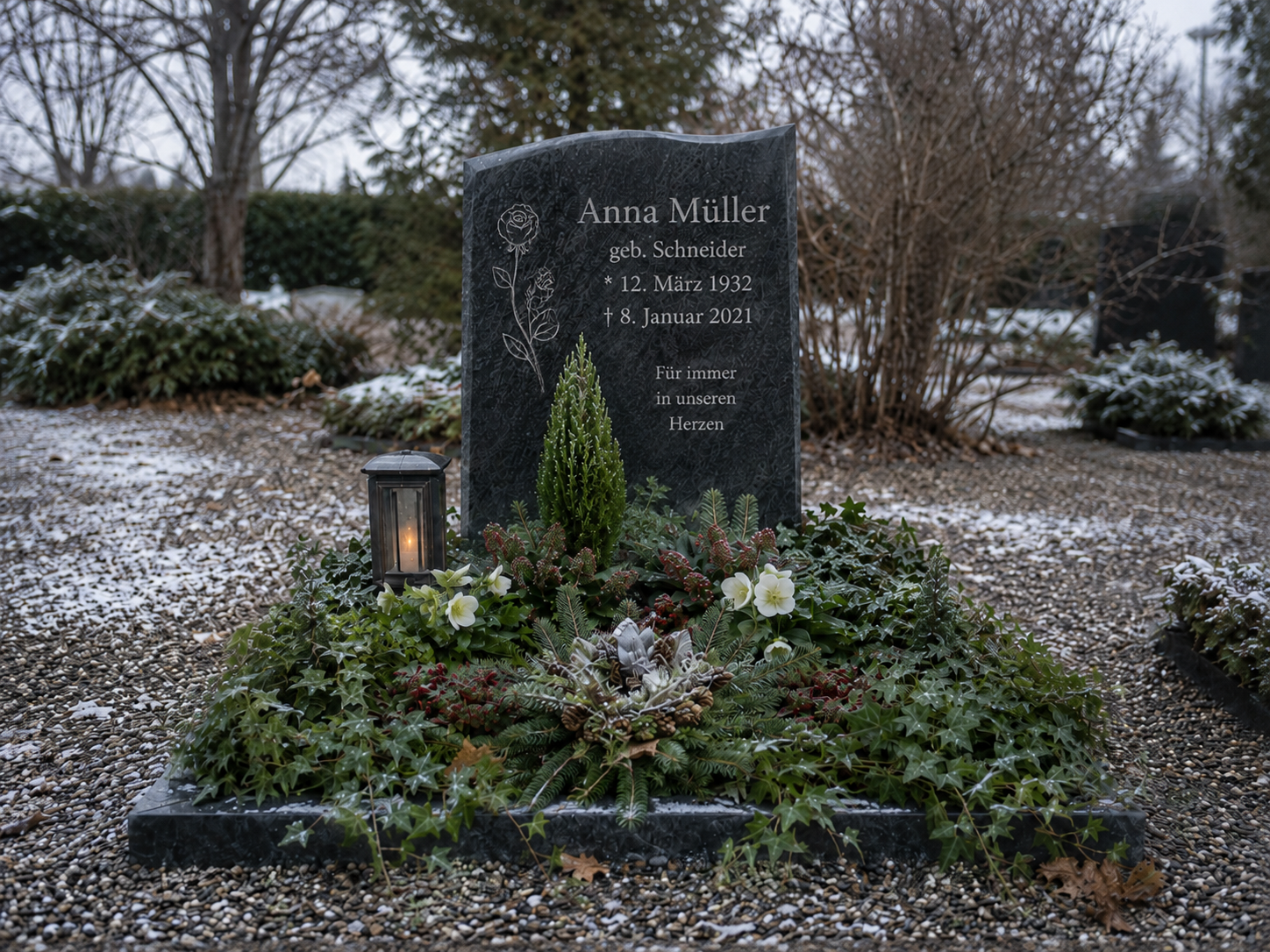
In winter, the focus is on a weatherproof and low-maintenance design. Many flowering plants are not suitable in the cold season, which is why evergreen plants, branches and winter accents play a particularly important role. The following are suitable for winter grave design:
- Ivy
- small conifers
- Christmas roses
- Skimmie
- Mock berry
- Fir branches
- Winter grave arrangements
Winter grave planting should be simple and robust. Evergreen plants ensure that the grave does not appear bare. Fir branches or grave covers can provide additional protection and make the grave appear well-kept during the cold season.
Professional support for year-round grave planting
Year-round grave planting requires experience, planning and regular care. Professional support can be a great relief, especially if relatives live far away or have little time in their everyday lives.
Grabhelfer helps you to ensure that a gravesite is always well maintained and dignified. Depending on your wishes, the grave can be planted once, seasonally or as part of regular grave maintenance. In addition, the headstone care and long-term permanent grave care can also be provided. The location, type of grave, time of year and personal wishes are taken into account.
In this way, the resting place of a loved one remains in a well-kept condition all year round – with suitable planting, a clean headstone and reliable care that ensures a dignified appearance in the long term.
Do you have further questions about year-round grave planting?
Here you will find the answers to the most relevant questions about grave planting throughout the year.
Which plants are suitable for year-round grave planting?
For year-round grave planting, robust ground cover and evergreen plants such as ivy, periwinkle, thicket, cotoneaster, wood stonecrop or creeping spindle are particularly suitable. Seasonal flowers for spring, summer, fall and winter can also be used.
How can a grave be maintained all year round?
A grave can be maintained all year round if stable permanent planting is combined with seasonal accents. In addition, foliage, weeds and wilted flowers should be removed regularly and the plants watered or cut back as necessary.
Which grave planting is particularly easy to care for?
Planting ground cover and evergreen plants is particularly easy to care for. They cover the soil, reduce bare patches and provide structure all year round. Seasonal plants can be added sparingly.
Which plants are suitable for a sunny grave?
Suitable plants for sunny graves include lavender, stonecrop, sedum, geraniums, ice begonias, thyme and cotoneaster. These plants cope better with heat and drought.
Which plants are suitable for a shady grave?
Suitable plants for shady graves are ivy, periwinkle, thickets, ferns, woodland stonecrop, begonias or lily of the valley. They also grow in less light and go well with quiet grave designs.
When is professional help worthwhile for year-round grave planting?
Professional help is worthwhile if relatives have little time, live further away or want a permanently maintained gravesite. Grabhelfer can plan and implement year-round grave planting and, if desired, combine it with regular grave maintenance.
You haven’t found an answer to your question? No problem. Just send us an e-mail.


